





Key facts
- One provision in H.B. 347 points to potential conflicts with existing informed consent.1
- Under the bill, the Ohio State Medical Board could adopt rules specifying adverse physical or psychological conditions arising.1
- A familiar anti-abortion bill was passed on Wednesday and sent to Ohio Gov. Mike DeWine for his signature.1
A familiar anti-abortion bill was passed on Wednesday and sent to Ohio Gov. Mike DeWine for his signature, a measure similar to one that has already been struck down by an Ohio court once.1
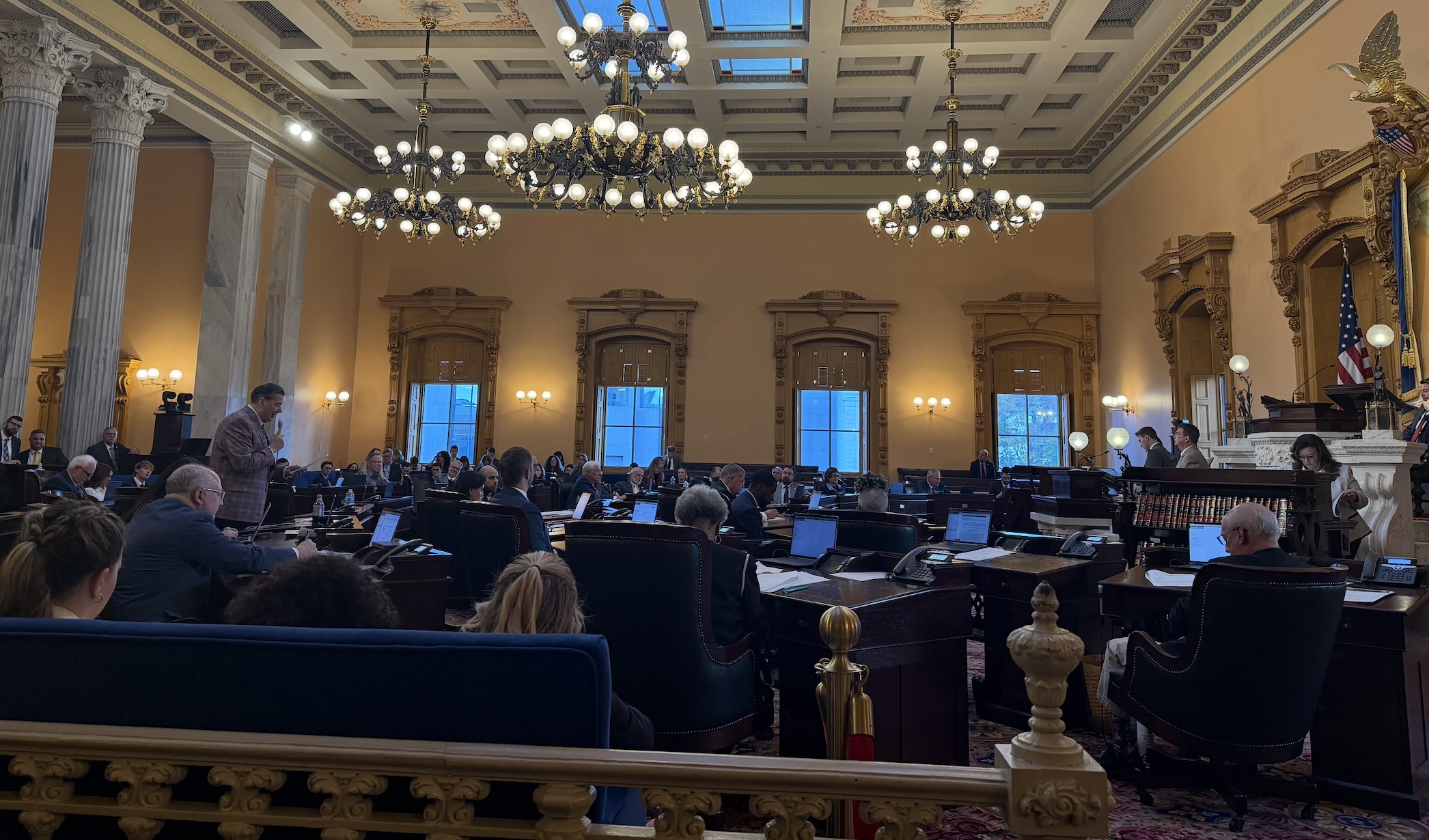
The Ohio Senate passed the bills hours later on the Senate floor.2
The Ohio Senate passed two controversial House-passed abortion bills out of committee Wednesday.2
What the bills require
Ohio House Bill 347 is a Republican-led measure passed in the Ohio Senate yesterday with a vote of 22 to 9.1
The bill requires a 24-hour waiting period before an abortion procedure, with the exception of a medical emergency.1
The bill passed in the Ohio House in March.1
Informed consent and medical board rules
The bill includes informed consent requirements that abortion rights advocates and physicians have said are already a part of medical training and standards.1
One provision in H.B. 347 points to potential conflicts with existing informed consent, saying this bill’s rules would overrule current law if there is a conflict.1
Under the bill, the Ohio State Medical Board could adopt rules specifying adverse physical or psychological conditions arising from an abortion that a physician must disclose as possible complications when meeting with the pregnant woman as part of the informed consent process.1
Mike Gonidakis is a former leader of the anti-abortion group Ohio Right to Life and is one of the members of the state medical board.1
Previous court rulings
In 2024, a Franklin County Court of Common Pleas judge blocked enforcement of a 24-hour waiting period from a previous law.1
A six-week abortion ban was overturned by a Hamilton County judge after years of legal back-and-forth, with the judge citing the reproductive rights amendment as reason for his decision.1
Then-Attorney General Dave Yost decided not to appeal the decision related specifically to the abortion ban, instead focusing on other provisions of the law that the state argued should stay in place even with the abortion ban itself ruled unconstitutional.1
After an appeals court sent the case back to Hamilton County Judge Christian Jenkins, he struck down the rest of the provisions as unconstitutional, ruling that because they were connected to the abortion ban, “they cannot survive.”1
Separate laws related to the burial of abortion remains and telehealth abortion restrictions have also been struck down in state court.1
Legal fight ahead
The ACLU of Ohio has already pledged legal action if DeWine signs the bill into law.1
A spokesperson for Gov. Mike DeWine said Thursday the governor had not yet received the bill for review.1
Other bills in play
Telehealth abortion may come into play again because of another bill that was passed in the Statehouse on Wednesday.1
H.B. 324 is getting criticism for including abortion pills as part of a measure to require in-person visits and follow-up appointments to receive certain medications.1
The bill’s focus is prescription drugs.1
State Reps. Adam Mathews (R-Lebanon) and Meredith Craig (R-Smithville) sponsored House Bill 324, which would ban mail-order abortion pills.3
State Reps. Mike Odioso (R-Green Twp.) and Josh Williams (R-Sylvania Twp.) sponsored House Bill 347, which would reinstate the 24-hour waiting period for abortions, making people seeking a procedure have to have two appointments to get an abortion instead of one.3
House Speaker Matt Huffman (R-Lima) said the 24-hour waiting period is not overly burdensome.3
Advocates have said that this hurts women in reproductive healthcare deserts, areas where there isn’t a clinic for hours.3
Oftentimes, patients will have to take off work to drive to a city and pay for a hotel overnight in order to get care, according to Abortion Forward, an organization dedicated to defending reproductive rights.3
“Ohio voters spoke, and they want abortion to be safe and legal,” Catherine Romanos said.3
Follow Statehouse and Columbus bureau reporter Morgan Trau on X, Instagram and Facebook.3